Sở Bảo Tồn và Giải Trí
 Bảo Tồn. Bảo Vệ. Tận Hưởng.
Sở Bảo Tồn và Giải Trí 


 Mục lục
Rừng gỗ cứng phía Bắc
Thảm thực vật của nhóm này bao gồm các khu rừng gỗ cứng hỗn hợp mọc ở độ cao lớn (> 900 m [3,000 ft]) ở phía tây Virginia. Các ví dụ về miền Nam Appalachia trải dài từ vùng cao của Bắc Carolina và Tennessee đến phía tây nam Virginia và phía đông Kentucky. Các ví dụ về vùng Trung Appalachia trải dài từ phía tây nam Virginia về phía bắc đến dãy núi Allegheny cao và cao nguyên Allegheny chưa đóng băng ở phía bắc Pennsylvania và phía nam New York.
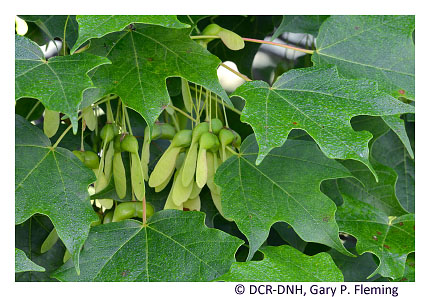
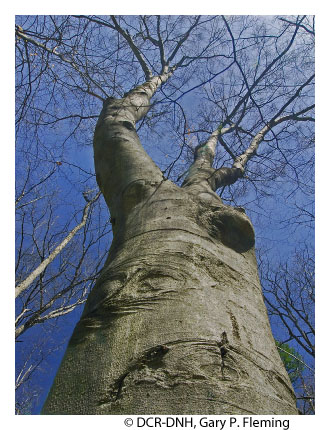
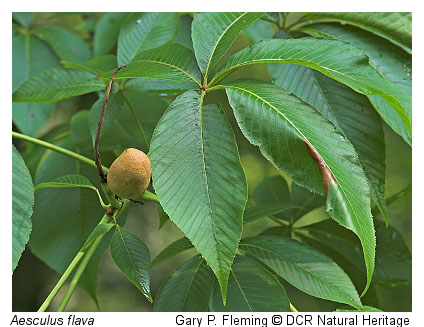
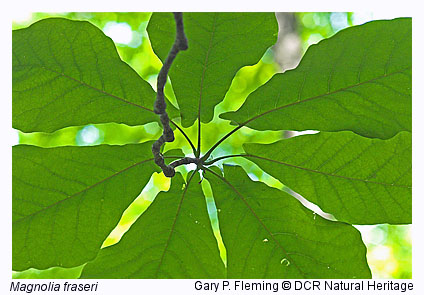
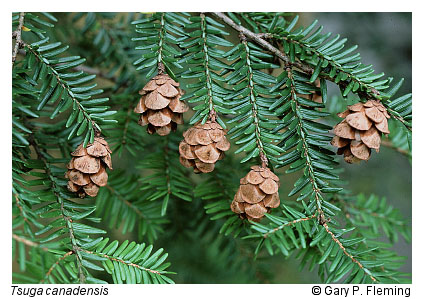
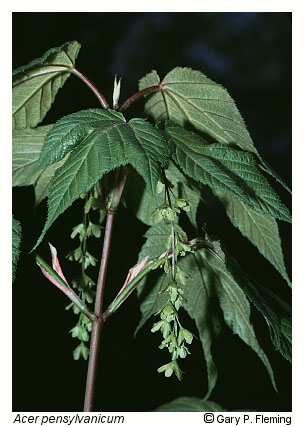
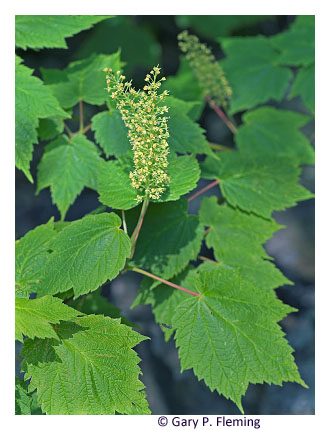
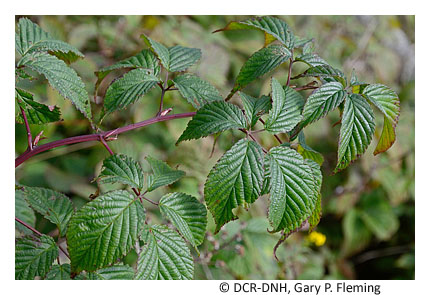
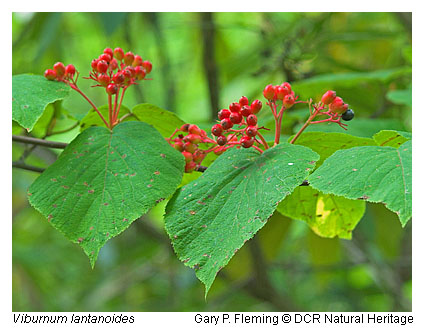
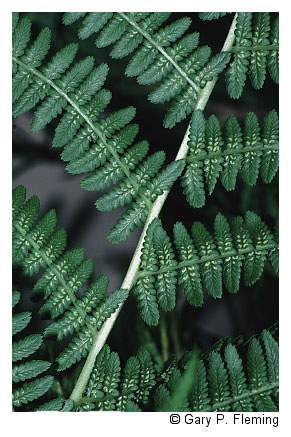
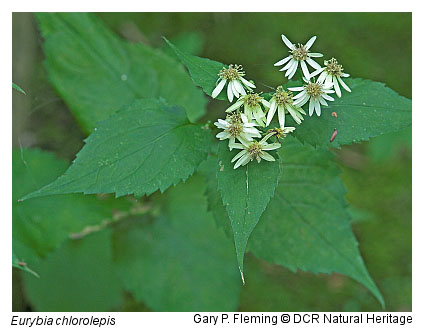
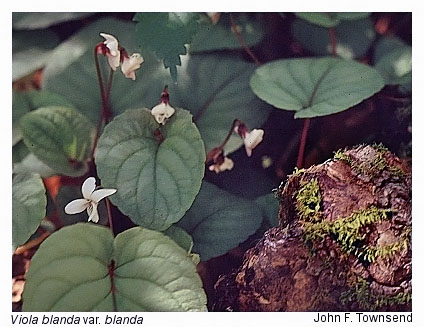
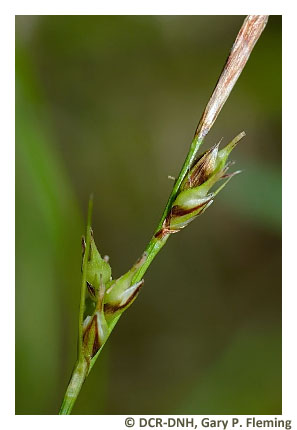
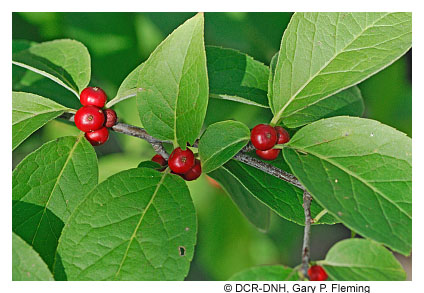
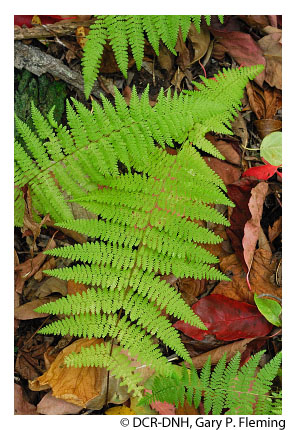
Northern Hardwood Forest communities have distinct regional variation and floristic composition at a given site varies with geography and specific site conditions. Southern Appalachian Northern Hardwood Forests are prevalent throughout the high-elevation Mount Rogers-Whitetop Mountain (Balsam Mountains) area of the Southern Blue Ridge (Grayson, Smyth, and Washington Counties), with more local outliers at the highest elevations of the Iron Mountains (Grayson and Smyth Counties), Clinch Mountain (Russell, Smyth, Tazewell, and Washington Counties), and Black Mountain (Wise County) on the Kentucky border. Co-dominant trees in Southern Appalachian stands are sugar maple (Acer saccharum, American beech (Fagus grandifolia), yellow birch (Betula alleghaniensis), and yellow buckeye (Aesculus flava) in variable proportions. Fraser magnolia (Magnolia fraseri), eastern hemlock (Tsuga canadensis), and red spruce (Picea rubens) are important associate trees in some stands, particularly in the Mount Rogers - Whitetop area. Sapling sugar maple, striped maple (Acer pensylvanicum) and mountain maple (Acer spicatum) are common understory species. Smooth blackberry (Rubus canadensis) and hobblebush (Viburnum lantanoides) are common shrubs. Herb layers are moderately sparse to moderately dense, with graminoid-rich patches tending to occur on the drier slope convexities. Some of the most abundant herbs in the Southern Appalachian Northern Hardwood Forests are Appalachian white snakeroot (Ageratina altissima var. roanensis), southern lady fern (Athyrium asplenioides), evergreen wood fern (Dryopteris intermedia), mountain wood aster (Eurybia chlorolepis), sweet white violet (Viola blanda), and Appalachian woodland sedge (Carex austrolucorum).
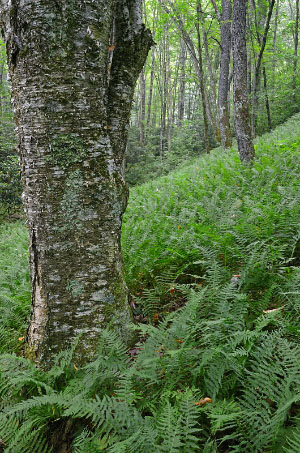
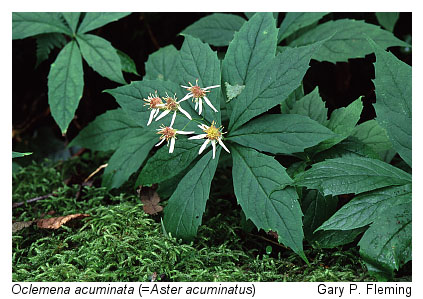
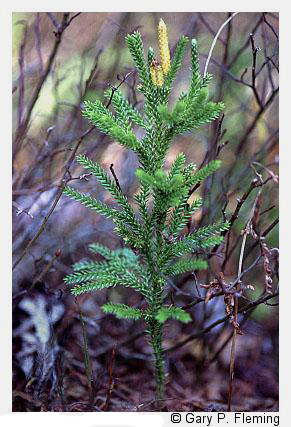
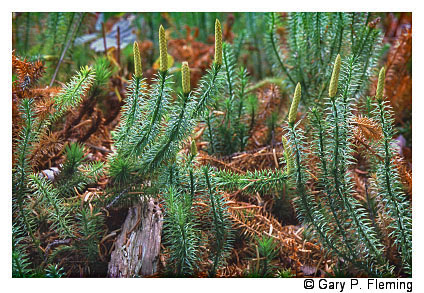
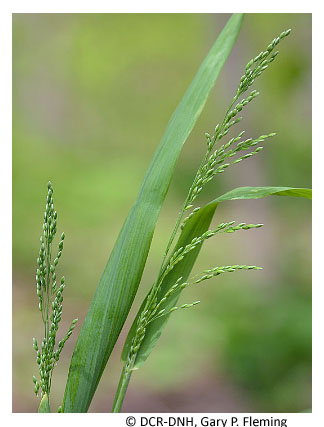
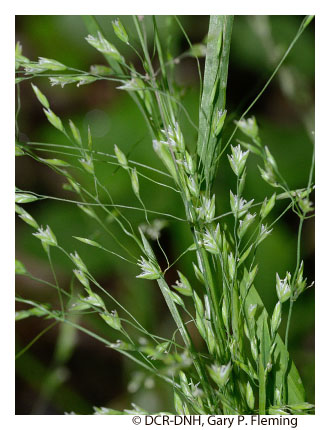
Northern Hardwood stands in the Central Appalachians occur extensively at high elevations (>900 m [3,000 ft]) of Allegheny Mountain in Highland County, with smaller-patch outliers occurring on north-facing slopes over 1,070 m (3,500 ft) in the Blue Ridge, Ridge and Valley, and Cumberland Mountains, south to Tazewell, Russell, and Wise Counties. These are dominated by sugar maple, black cherry (Prunus serotina var. serotina), yellow birch, northern red oak (Quercus rubra), red maple (Acer rubrum), and sweet birch (Betula lenta var. lenta), while American beech, and eastern hemlock are less frequent co-dominants. Overstory composition varies occasionally to nearly pure sugar maple. Striped maple, mountain maple, and mountain holly (Ilex montana) are the chief understory species, along with sapling sugar maple and beech. The herb layers of many stands are characterized by patch-dominance of hayscented fern (Dennstaedtia punctilobula). Other more or less characteristic herbaceous species include whorled wood aster (Oclemena acuminata), evergreen wood fern (Dryopteris intermedia), prickly tree-clubmoss (Dendrolycopodium dendroideum, stiff clubmoss (Spinulum annotinum), tall millet grass (Milium effusum var. cisatlanticum), grove bluegrass (Poa alsodes), northern shorthusk (Brachyelytrum aristosum), purple oat grass (Schizachne purpurascens), sedges (particularly Carex appalachica, Carex flexuosa, Carex digitalis, Carex leptonervia, and Carex woodii), eastern rose mandarin (Streptopus lanceolatus), and sweet white violet (Viola blanda). The importance of red maple, sweet birch, northern red oak, and black cherry in contemporary Central Appalachian examples of this community group reflects secondary succession following catastrophic logging and fire disturbances in the early part of the twentieth century. Sugar maple and beech, both abundant in understory layers and locally co-dominant in the overstory, appear positioned to assume dominance as current secondary stands mature. However, beech-bark disease and excessive deer browsing are serious threats to the future viability of the largest stands on Allegheny Mountain .
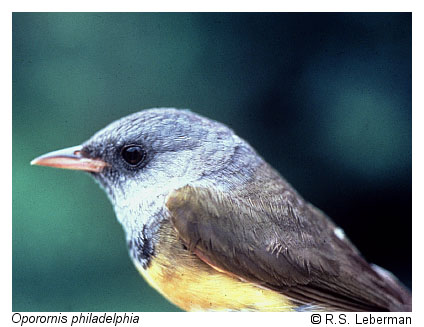
Ở Virginia, một số loài chim hót ở phía bắc, bao gồm chim leo nâu (Certhia americana), chim họa mi (Oporornis philadelphia) và chim gõ kiến bụng vàng (Sphyrapicus varius), chỉ sinh sản ở các khu rừng gỗ cứng phía bắc.
Tài liệu tham khảo: Adams et. và . (2003), Coulling và Rawinski (1999), Fleming và Coulling (2001), Fleming và Moorhead (1996), Rawinski và cộng sự . (1996), Rheinhardt và Ware (1984).
Nhấp vào đây để xem thêm ảnh về nhóm cộng đồng sinh thái này.
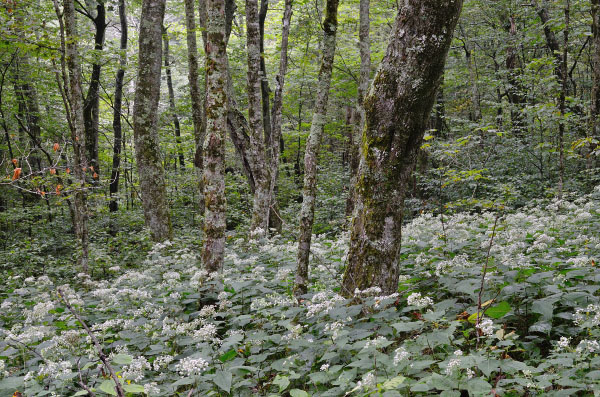 © DCR-DNH, Gary P. Fleming.
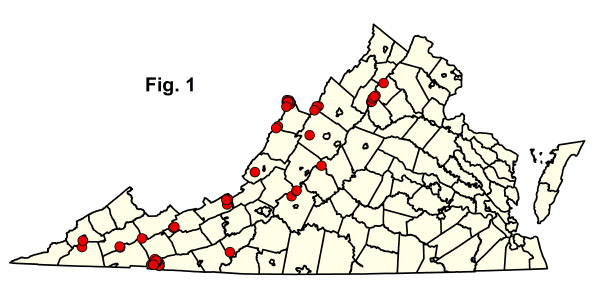
Các khu rừng gỗ cứng phía Bắc đã được lấy mẫu nhiều ở Virginia, đặc biệt là ở khu vực Núi Rogers-Whitetop thuộc dãy núi Blue Ridge phía Nam và trên núi Allegheny ở Quận Highland. Cho đến nay, 79 lô đất của nhóm này đã được lấy mẫu ở các quận 18 (Hình 1), mặc dù một số đơn vị được phân loại được hỗ trợ tốt hơn bởi dữ liệu lô đất so với những đơn vị khác. Tuy nhiên, việc lấy mẫu bổ sung khó có thể thay đổi các khái niệm cơ bản của các đơn vị này. Nhấp vào bất kỳ mã CEGL nào được tô sáng bên dưới để xem mô tả USNVC toàn cầu do NatureServe Explorer cung cấp.
 Tải xuống bảng tính thống kê tóm tắt thành phần cho từng loại cộng đồng được liệt kê bên dưới.